
Strengthening Malawi’s health supply chains.
How one of the world’s longest-running drone logistics networks places essential medicine, vaccines, and diagnostics within fast, easy reach of remote communities.
The hardest miles.
Accessing the right healthcare at the right time is a significant challenge for Malawians, particularly those in remote areas. Essential, sometimes lifesaving, medical deliveries must travel vast distances across challenging terrain. Rivers and lakes, plus flooding and slippery earth roads during the rainy season, regularly leave critical pathways impassable. A delivery between a central hospital and a remote health centre can take hours, or even days, by motorcycle, car, and boat.
A motorbike network reaches each of those 100 health centres twice a week, carrying just 50 vaccines or 3kg of medical supplies and pathology samples per trip. Fuel shortages and weather cause frequent delays, and pandemic-era road closures added more.
“Delivery delays are a significant contributing factor to one in five patients not receiving their pathology test results within three months.”
Consequently, prevalent communicable diseases such as HIV/AIDS, tuberculosis, and neonatal conditions go undetected, with profound implications for community health. When natural disaster strikes, routine and emergency care is placed further out of reach. This was stark in 2023, when Tropical Cyclone Freddy brought devastating flooding and landslides, all amidst a cholera outbreak.
A network built for the rainy season.
When a mother in labour needs emergency medicine, or vaccination can protect children in a polio outbreak, a fast response makes all the difference. Kite Aero is rapidly integrating a network of KITE aircraft and AXIOM software across Malawi’s health supply chain, placing essential supplies and services within fast, easy reach for everyone, no matter where they live.
The network is among the world’s longest-running drone logistics operations, forging agile, reliable, and cost-effective connections between hospitals and remote health centres. It currently services district hospital catchments in Nsanje, Chikwawa, Zomba, Balaka, Machinga, Mangochi, and Chiradzulu.
Expansion is planned across Neno, Mwanza, Ntcheu, Thyolo, Mulanje, Phalombe, Blantyre, Mzimba South, and Nkhata Bay, widening the reach of dependable, on-demand medical logistics.
Why fixed-wing. Why KITE.
The mission profile in Malawi is defined by distance and terrain. Rivers, lakes, and flooded earth roads sever ground routes for months at a time, and the corridors between central hospitals and remote health centres stretch far beyond the reach of conventional multirotor drones. Only a long-range platform with fixed-wing efficiency can connect them reliably, in all conditions.
“A journey of around seven hours by road, boat, and motorbike is reduced to just 30 minutes.”
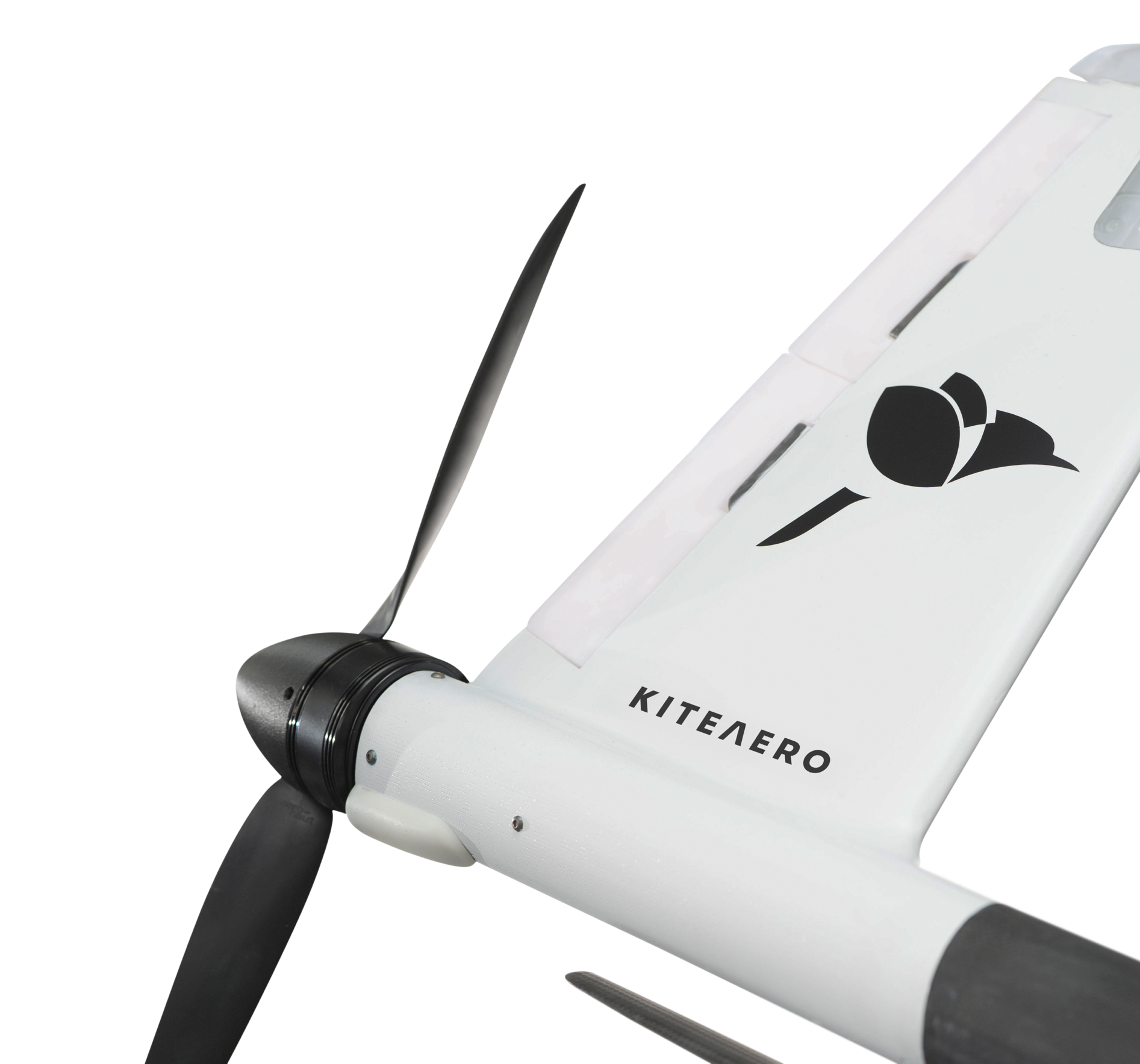
The same airframe now flying Malawi has accumulated years of operational proof across healthcare delivery, making it one of the most field-tested platforms in the world. That history is why partners from the Ministry of Health to UNICEF trust it with temperature-sensitive vaccines, blood products, and diagnostic samples every day.
Hours into minutes.
Across Malawi’s toughest routes, the network collapses journeys measured in hours, or days, into minutes. Transporting supplies from Nsanje District Hospital to Makhanga Health Centre normally means a six-hour drive, a 20-to-30-minute boat trip, and a motorbike ride of up to half an hour. With Kite Aero, that roughly seven-hour journey is reduced to 30 minutes.
In Mangochi, roads are so challenging that moving supplies from the district hospital to Makanjira Health Centre takes seven hours by road. By drone, it takes 45 minutes. From Zomba Central Hospital to Chisi Island in the middle of Lake Chilwa, a drive then an hour or more by boat is cut to under 30 minutes.
The same speed reaches the diagnostic lab. Faster sample transport has cut turnaround on tuberculosis results, HIV viral load results, and emerging infectious disease results, the difference between early treatment and undetected spread.
AXIOM: the software that makes it operational.
Running a national network across seven district catchments demands more than capable aircraft. AXIOM combines fleet management, compliance, and mission planning into a single integrated system, turning hundreds of individual flights into a dependable, repeatable health service that operators and ministries can rely on.
“We’re placing essential health supplies and services within fast and easy reach for everyone, no matter where they live.”
When Tropical Cyclone Freddy struck in 2023, the same infrastructure was adapted within days to support the response, helping UN agencies including UNICEF identify flooding and infrastructure damage across affected districts, alongside ongoing day-to-day deliveries.
From malaria vaccines to cholera samples.
The network carries the full breadth of a health system. Routine and emergency pharmaceuticals, antibiotics for preventable and communicable diseases, and vaccines against HIV/AIDS, COVID-19, tuberculosis, polio, pneumonia, meningitis, measles, and more move alongside diagnostic samples and the results that come back.
Each payload arrives in the condition it departed. The cold chain holds for vaccines, samples stay viable for the lab, and a chain-of-custody record travels with every flight. In 2023, the network ran a successful polio vaccination campaign with UNICEF and transported patient cholera samples through its established operations, contributing to Malawi declaring the outbreak no longer a public health emergency.
That breadth rests on a long evidence base of temperature-sensitive medical delivery, the reason partners entrust life-critical cargo to the platform every day.
Built and run by the Malawi Crew.
The network is not flown in from elsewhere. It is operated by a growing local team, now 17 full-time employees based in Malawi, who run day-to-day flights, maintenance, and logistics across the districts they call home.
At the receiving end, more than 230 health staff have been trained to send and receive medical supplies by drone, embedding the service into how clinics and hospitals work rather than bolting it on. Skills, jobs, and ownership stay in the communities the network serves.
“We collaborate extensively to unlock the skies for the good of us all.”
Good health, always within reach.
Kite Aero’s ambition in Malawi is a health supply chain where equitable access to emergency and routine care is the norm, not the exception. The network is scaling from its current seven district catchments toward nine more, building dependable medical logistics into the fabric of the national health system.
The scope reaches across medication, vaccination, testing, diagnosis, and treatment, and beyond routine delivery into disaster preparedness and response. Working alongside the Ministry of Health, the Department of Disaster Management Affairs, and UN agencies, the goal is a future where good health and wellbeing is always within fast, easy reach.

“The sky is not the limit. It’s just the beginning.”
Bridging gaps together, year on year.
KITE, by the numbers.
Delivered across Malawi.
Strengthening health supply chains for equitable access to emergency and routine care, delivering fast, reliable medication, vaccination, testing, diagnosis, and treatment to improve and save lives.
Kite Aero is a drone logistics technology company delivering the KITE fixed-wing UAS platform and AXIOM operations software to operators worldwide. With a proven track record across healthcare, humanitarian, and commercial operations in Africa, the Pacific, and the Americas, Kite Aero provides the range, reliability, and compliance capability that life-critical drone operations demand.
Kite Aero’s Malawi network is delivered in collaboration with the Malawi Ministry of Health, VillageReach, UNICEF, USAID, and partners including UKAID, Focusing Philanthropy, UPS, and IDinsight. Operated by a local Malawi Crew, it is among the world’s longest-running drone logistics operations and holds country-wide approval to fly beyond visual line of sight.