
Medical delivery drones at national scale.
How The Luke Commission is transforming healthcare access across Eswatini with the Nkwe Drone Network, flown by its own pilots on KITE, powered by AXIOM.
A month of medicine, 100 kilometres, 45 minutes.
An elderly patient in a remote area of Eswatini was down to a single high blood pressure tablet. They had not realised the supply was so low, and the following morning there would be nothing left to take.
Fortunately, a nurse at the local clinic flagged the challenge in time and contacted The Luke Commission. The weather was clear. A KITE aircraft was loaded with a month’s worth of medication and flown out, reaching a patient roughly 100 kilometres away in under 45 minutes.
A few years ago, an order fulfilled and delivered with such speed would not have been possible. The rural roads of Eswatini are slow at the best of times and often impassable when the rains come. For The Luke Commission, the country’s largest not-for-profit healthcare provider, stories like this one are now routine. They are also the clearest expression of why TLC built the Nkwe Drone Network.
“This partnership and the launch of this network has really redefined what is possible in Eswatini. Two or three years ago, many people never thought you could send high blood pressure medication to an elderly person 100 kilometres away in 45 minutes. And this partnership has made that possible.”
TLC’s drone programme is one of the most advanced uses of medical delivery drones anywhere in Africa. It is two-way, national in reach, locally piloted, and built into a working hospital system rather than bolted on as a pilot project. This is the story of how it was built, what it has changed, and the platform underneath it.
Twenty years of solving the next problem.
The Luke Commission began two decades ago, when Harry and Echo VanderWal arrived in Eswatini from the United States to do medical work. Harry, a paediatrician, and Echo, a physician assistant, came in 2004, at the height of the HIV pandemic, when Eswatini had the highest HIV prevalence rate of any country in the world. At the time it was common for a Swazi to attend three or four funerals a month.
Roughly 80% of Eswatini’s population lives in rural areas, where healthcare access was, and remains, the hardest problem to solve. TLC started small, running mobile clinics out of two vehicles, treating patients in primary schools and communal meeting places. It did that for eight to ten years. The team grew to 40 or 50 staff. A turning point came when the United States government, struggling with a national male circumcision campaign, partnered with TLC and saw it deliver more procedures in a single outreach than the efforts of providers in the rest of the country combined.
From there the work compounded. Patients who needed more than primary care began arriving at the gate. Temporary inpatient units became permanent ones. Today TLC operates a full-fledged hospital with outpatient, inpatient, and specialty surgical capacity, performing complex surgery in orthopaedics, ophthalmology, and other specialities for patients across the region. During COVID-19 it carried out around 90% of the country’s response and built the national vaccination platform, which the World Health Organization recognised as one of the best-performing systems in the world.
“We’ve always been a problem-solution organisation. We have patients coming to the front gate, you slowly start doing inpatient services, and that escalates over time to what it is now.”
That identity matters to the drone story. Across Africa, faith-based organisations like TLC provide a large share of healthcare, in Eswatini’s case around half, while receiving only a minuscule share of the national health budget. When global aid was cut, TLC treated it as the next problem to solve rather than a reason to retreat, accelerating an already-underway pivot to a diversified funding model. The organisation began offering tiered fee-for-service care, with the same standard of care for every patient, and within roughly twelve months grew earned revenue from covering about 15% of operating costs to about 30%, doubling it in a single quarter. The drone network was conceived in the same spirit: not as a showpiece, but as infrastructure that solves a problem no road network in the country could.
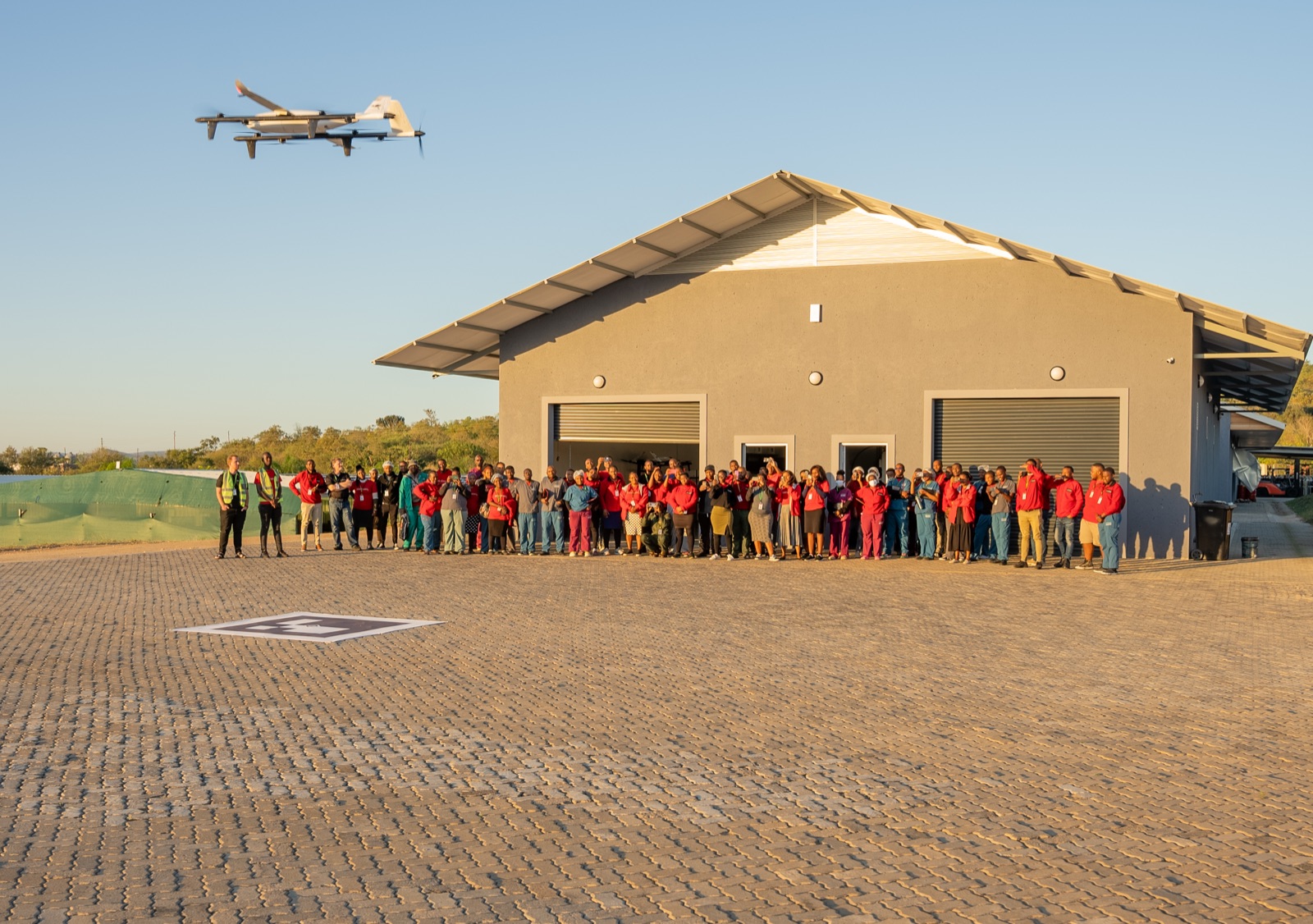
Where the roads stop.
Eswatini is largely mountainous, and the terrain gets harder as you move toward the rural communities that need care most. Road networks thin out, and seasonal rains routinely cut off whole districts as bridges flood and tracks turn to mud. On top of geography, the country faces periodic medication shortages, and TLC is one of the few institutions able to hold reliable stock of specialised supplies such as antivenom. For a snakebite patient, the gap between a road that is washed out and an available aircraft, can be the difference between life and death.
TLC had been watching drone technology for five or six years before it acted, waiting until the technology was capable of real impact rather than a photo opportunity. The decisive advantage turned out to be location. From its centrally located Miracle Campus, TLC can reach most of the country by air in under 45 minutes, a radius that no ground-based service could match. In late 2021 and early 2022 the organisation began approaching drone companies and working with Eswatini’s civil aviation authority on the licensing and operational approvals the programme would need.
When TLC evaluated platforms, the selection criteria came down to two things: simplicity and range. Simplicity meant the operating system and the remote pilot station, the software the team would actually fly on. Range meant the ability to serve a whole country from one base. TLC reached out to companies across Europe, the United States and Asia. What separated the eventual choice then, and still separates it now, was the operating system: a long range drone paired with software built to run a drone network, not just a drone aircraft.
“The Eswatini landscape is a very mountainous one, especially as you go towards the rural areas. Seasonally, access is interrupted, especially when the rainy season comes. So that’s where the need stemmed from: how can we use drone technology to keep access to healthcare uninterrupted?”
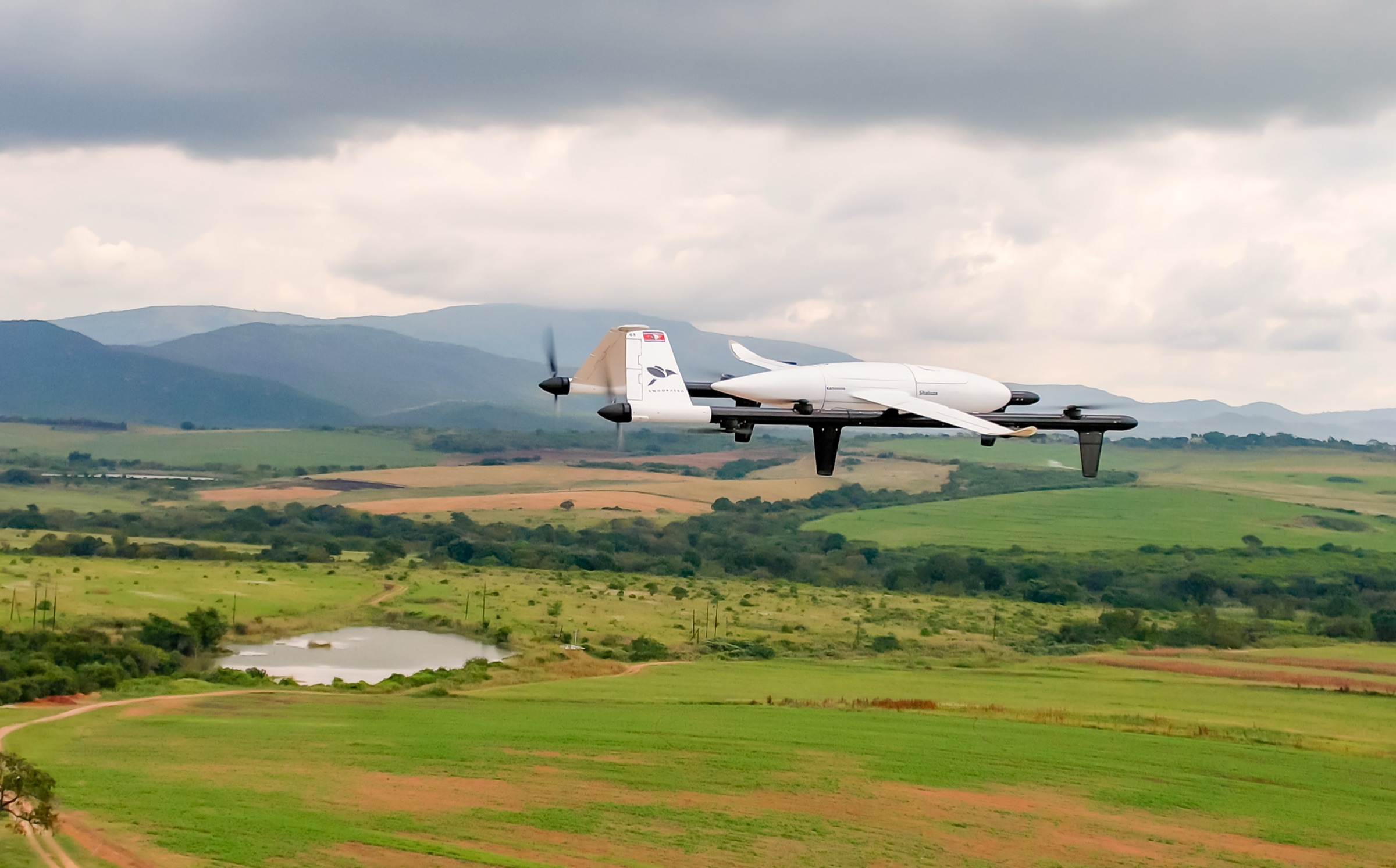
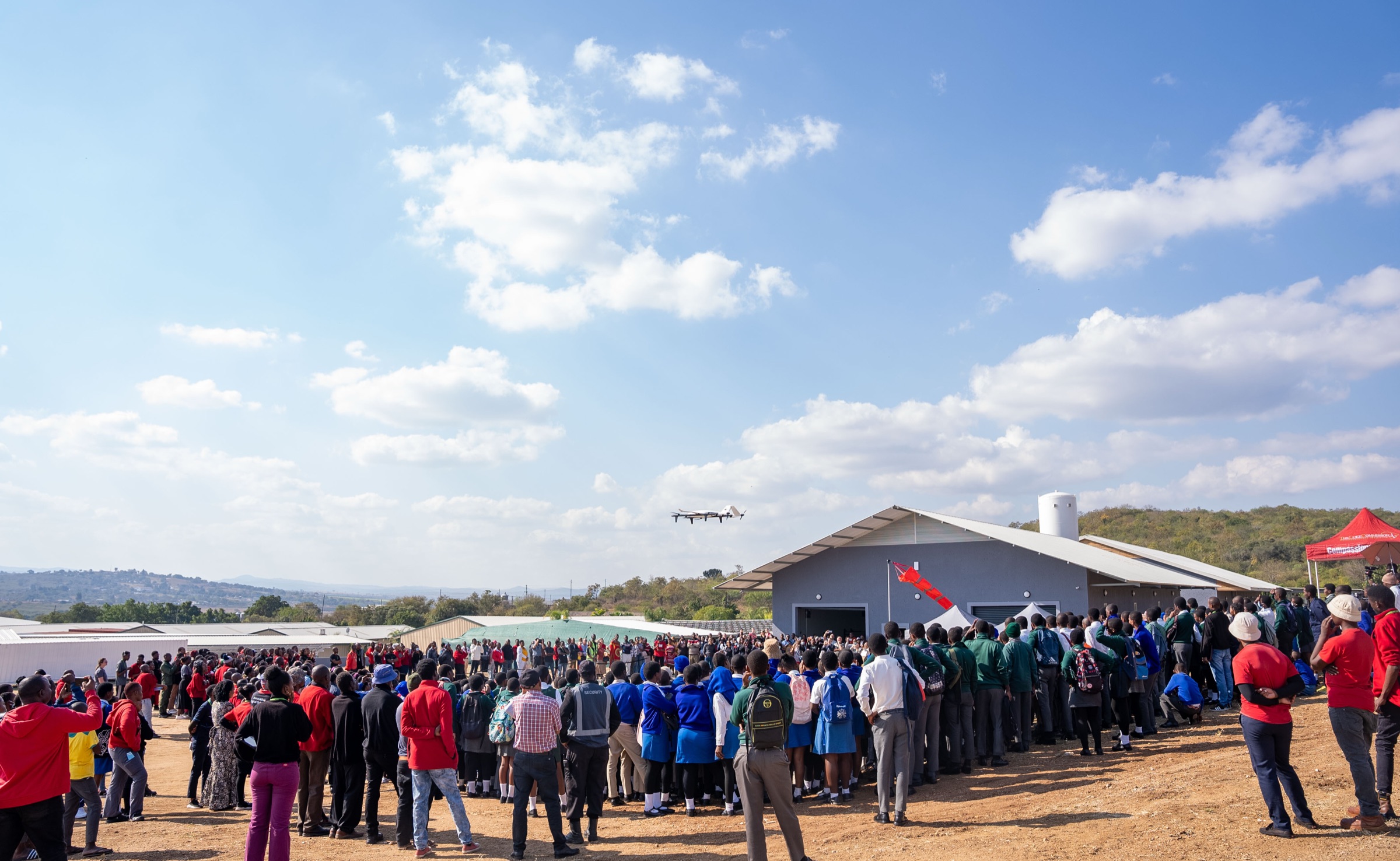
The Nkwe Drone Network in practice.
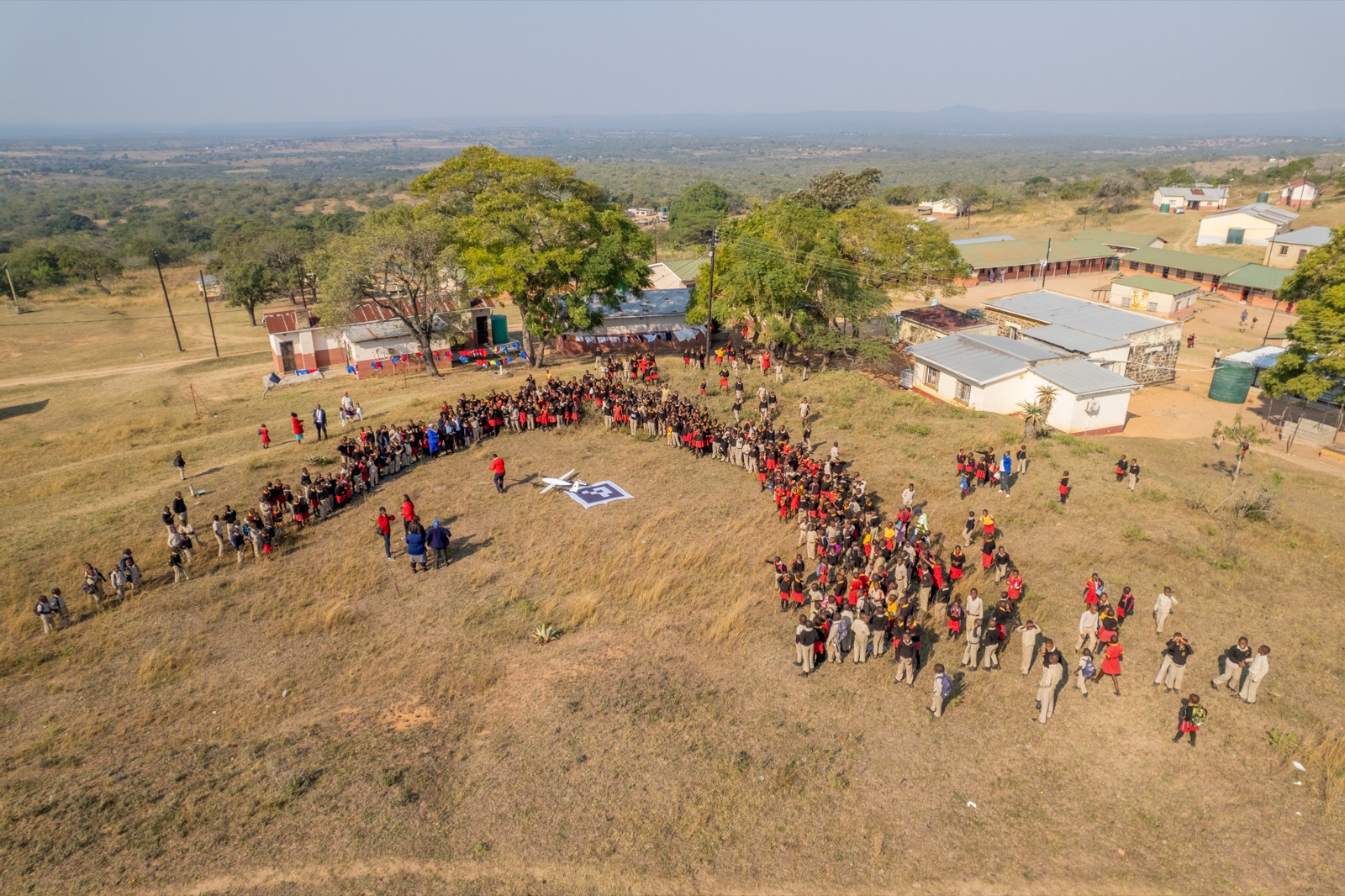
The Nkwe Drone Network launched in June 2024. The reception was immediate. In the first three months of operation, TLC flew more than 1,000 flights to different parts of the country, far faster uptake than the team had expected in communities they assumed would be slow to embrace something new.
Unlike delivery-only systems that parachute payloads, the KITE lands and can pick up as well as drop off, so the network pushes supplies out and brings items back rather than only delivering one way. The cargo ranges from vaccines and routine medication to time-critical supplies such as antivenom.
TLC trained its own Emaswati pilots, licensed in South Africa and endorsed by the Eswatini Civil Aviation Authority, so that the programme does not depend on visiting operators. Local ownership is what makes a medical delivery drones programme sustainable rather than a temporary intervention, and it is what allows TLC to keep expanding the network on its own terms.
“In the first three months of our operation in 2024, we had already done over 1,000 flights to different parts of the country. That’s how well received this network was.”
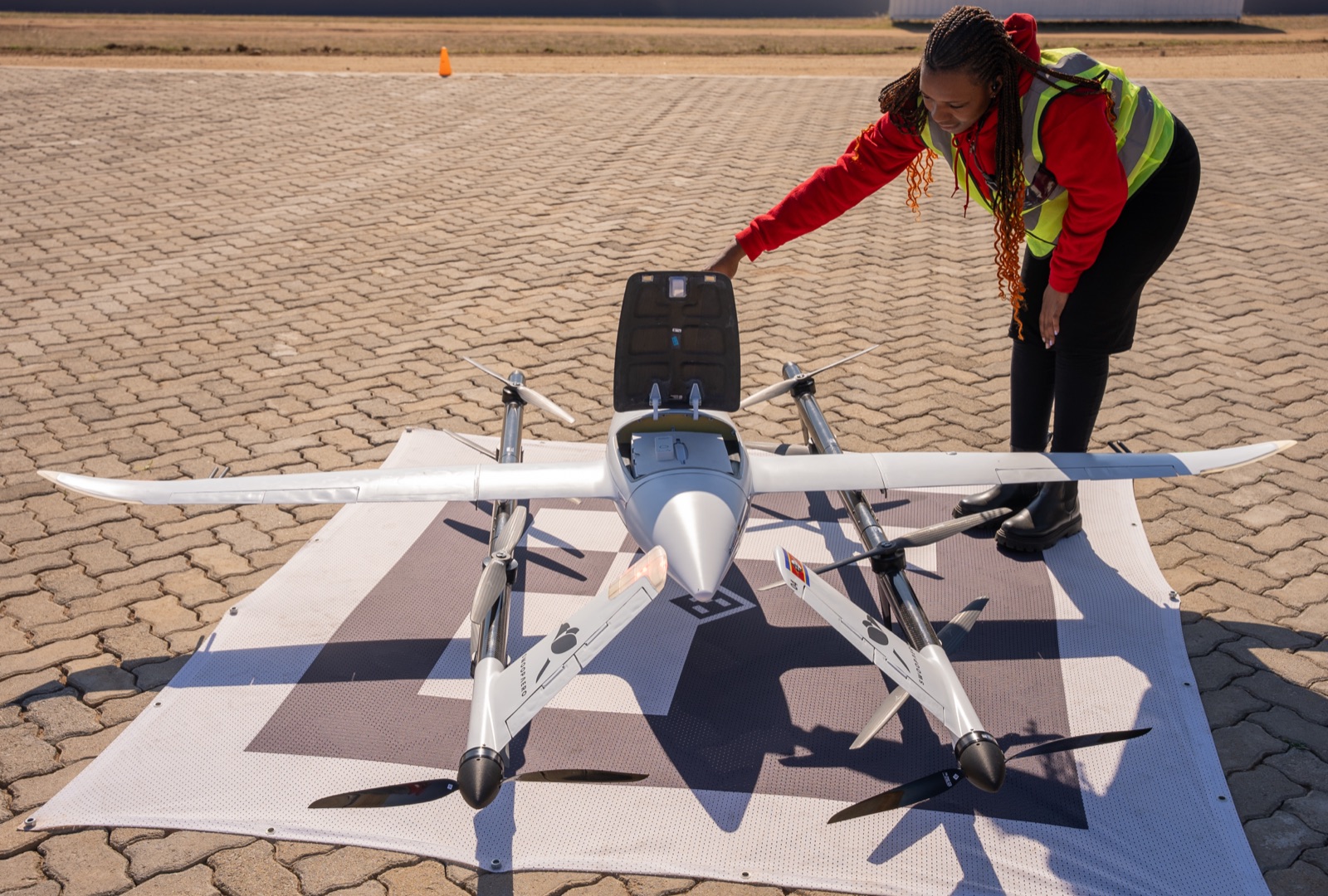
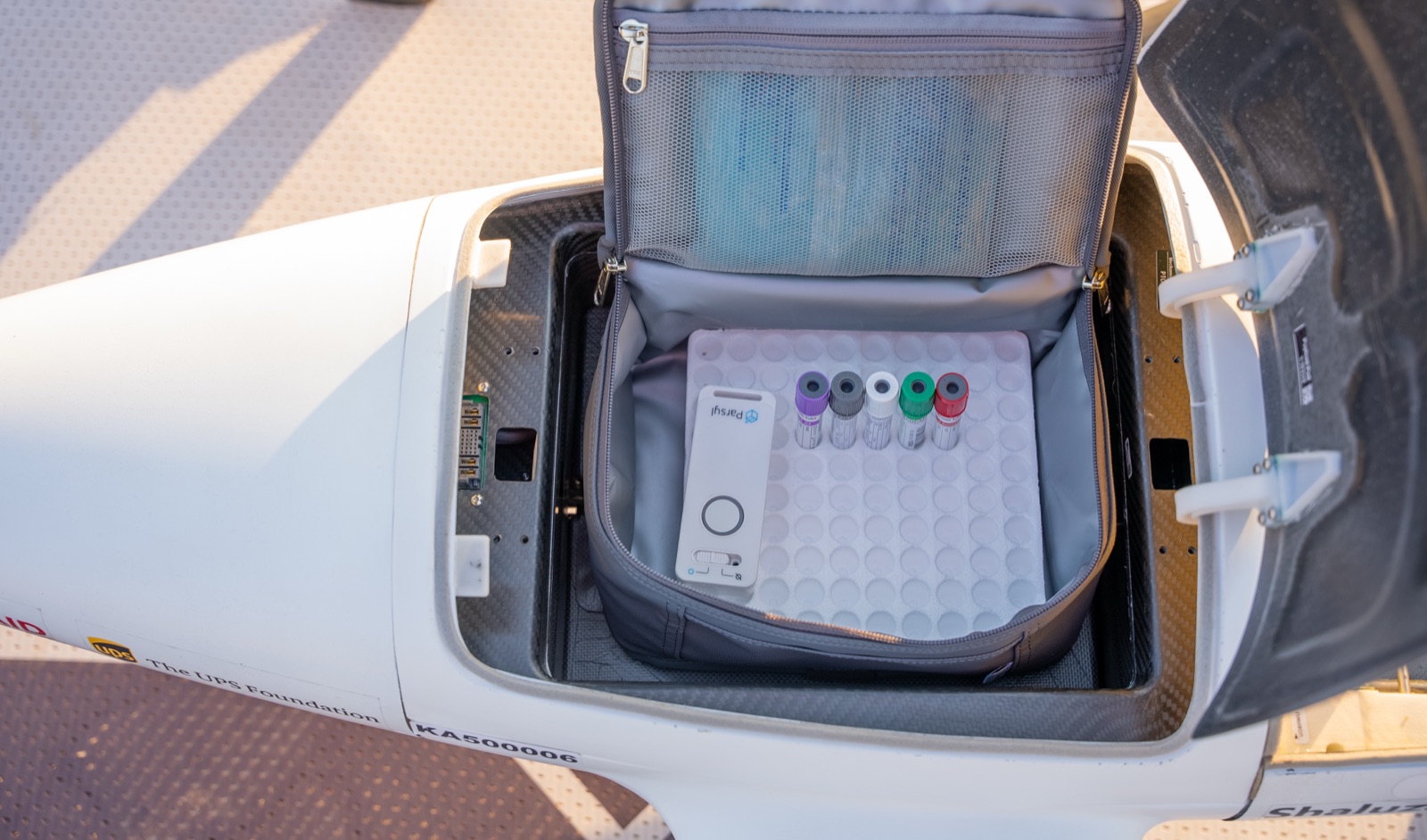
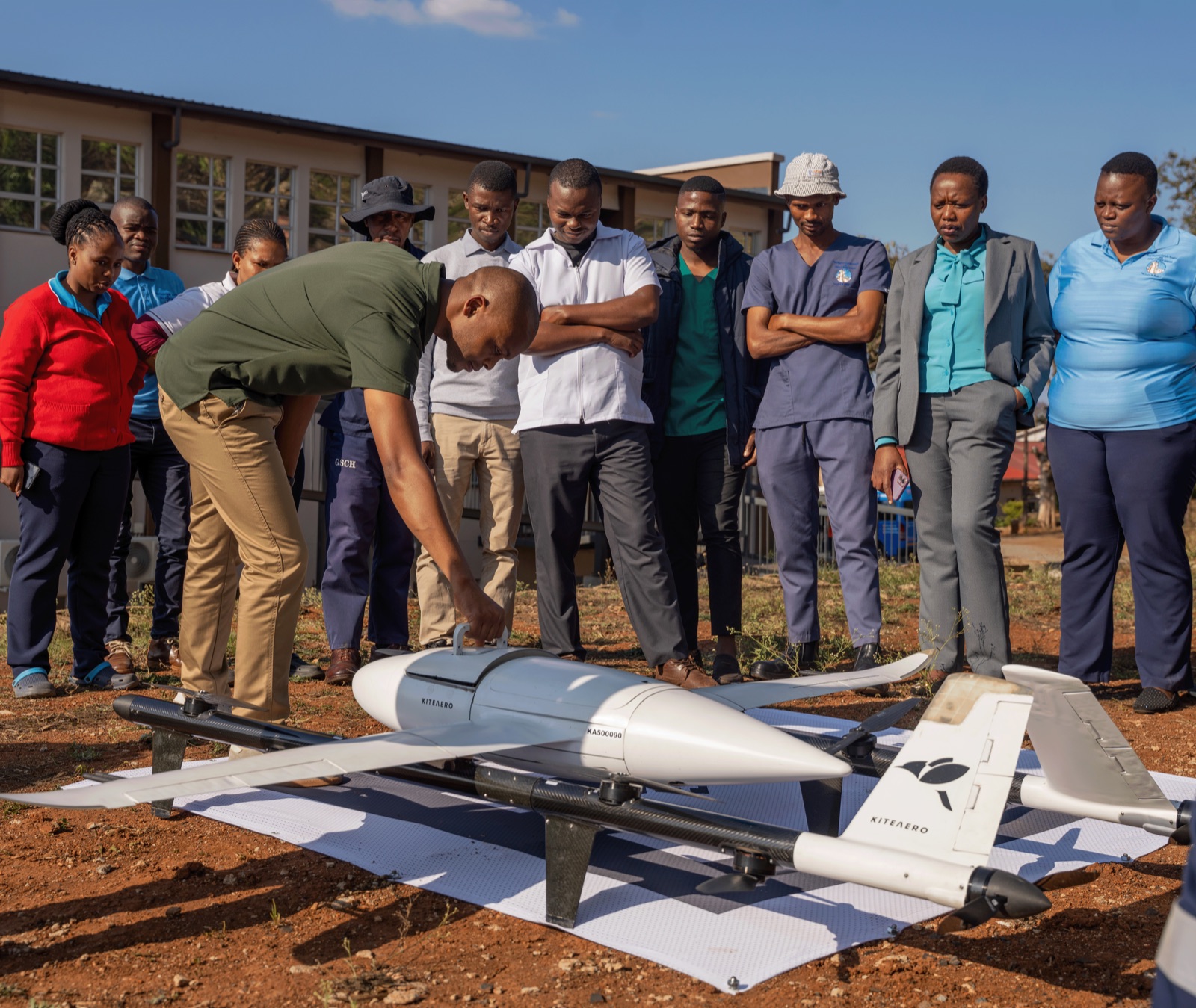
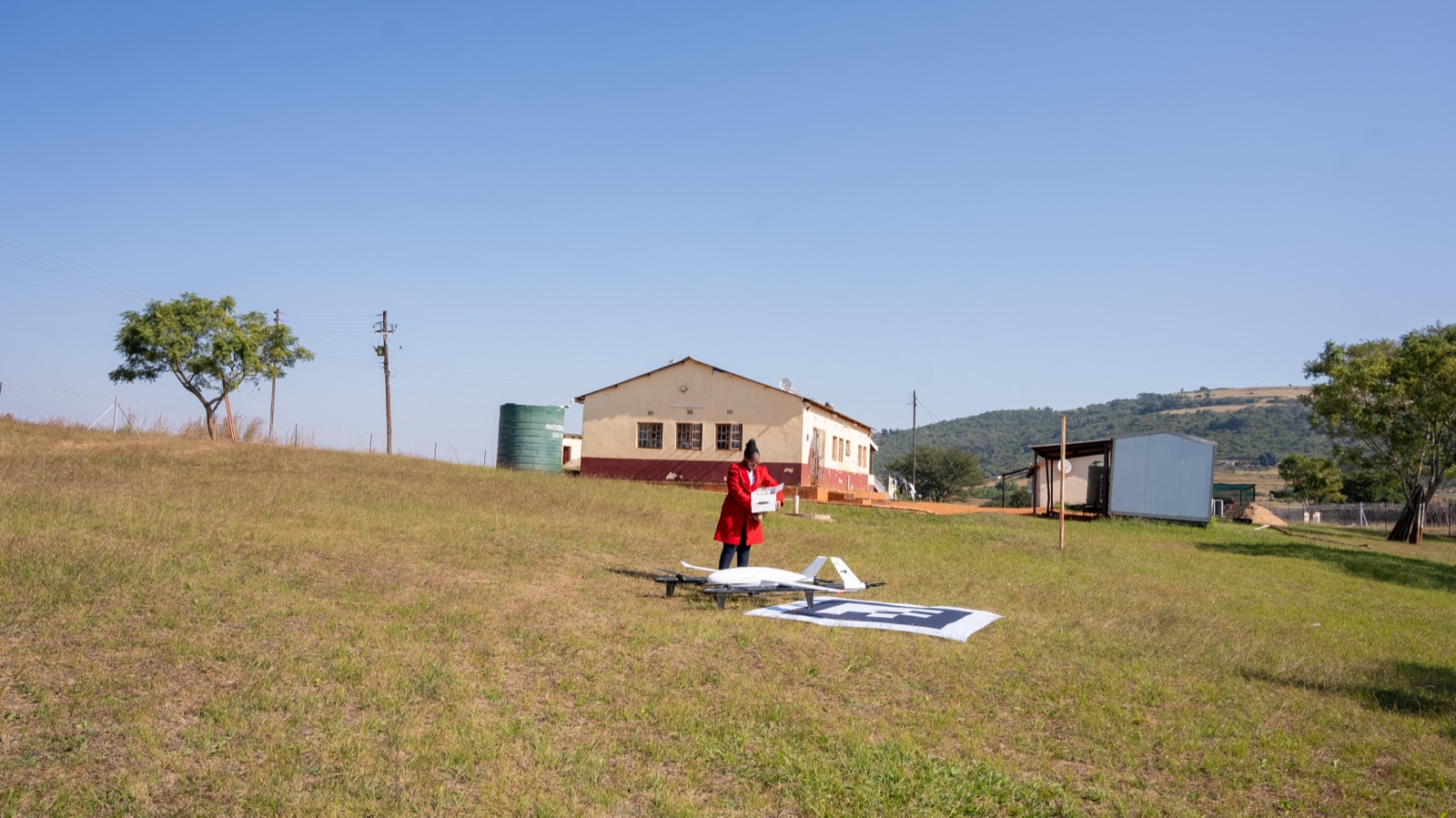
The Nkwe network was launched in 2024 with the KITE UAS on the basis that the platform did what it claimed to do, and nothing else the team had evaluated came close on the operating capability of the system. Early 2025, Kite Aero stepped in to continue and support TLC’s operations and in developing the platform. That continuity reflects a deliberate stance on Kite Aero’s side, with its primary focus on enabling organisations like TLC to do their work. An operator whose programme keeps running through a vendor transition, and keeps expanding afterwards, is the clearest proof of that approach.
A system, not a drone.
The single most consistent theme in TLC’s account of the platform is that AXIOM is not drone software. It is operations software. Most manufacturers, in TLC’s experience, build systems that are drone specific: here is the aircraft, here is a solution that flies this one aircraft. AXIOM does something different. It manages the operation as a whole, which is what a national network actually requires.
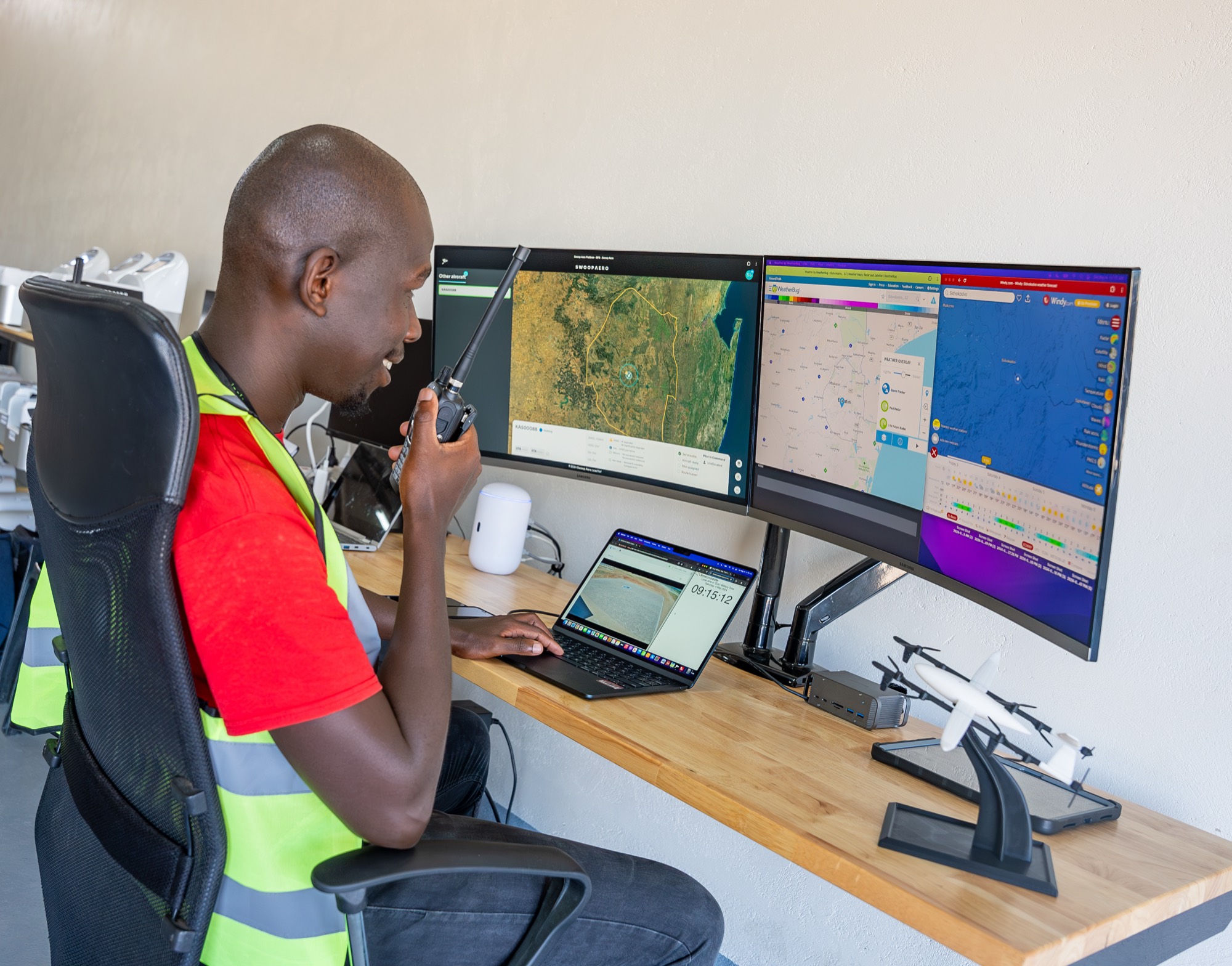
“Other manufacturers really build a solution that works with one drone, not with a fleet of drones. AXIOM brings fleet management, operations management, personnel management. It’s a one-stop shop for everything you’ll need in your operation, which is something you do not find in other solutions.”
“AXIOM does the checks on the person, because most in-flight accidents happen because of human error. Every time, before you fly, you have to do a self-check: are you ready for the flight, are you ready for the operation?”
“AXIOM gives you a broad overview of how your operation as a whole is going: how your fleet is doing, how you’re doing on spare parts, when shipments are due. Planning and coordination is far better, and it tracks the hours your pilots have done. That’s the human element other solutions don’t have.”
Far from seeing the platform as a constraint, pilots have responded to AXIOM as a tool that helps them do the job better. Other operators in the region have asked TLC to run half-day sessions on its safety protocols. These protocols are, in large part, enabled by the platform. When peers ask to learn your safety system, it is a fair sign you are doing something right.
What changed.
The headline result is one of the most striking public-health outcomes attributable to any drone network. The Snakebite Treatment Unit at The Luke Commission Miracle Campus Hospital is a centre of excellence and receives the overwhelming majority of the country’s snakebite cases. When TLC first arrived, Eswatini saw somewhere between 50 and 100 snakebite deaths a year. In 2024, the year the Nkwe network launched, the country recorded zero snakebite deaths for the first time in its recorded history.
TLC is careful not to credit the drones alone. The network is one part of a cohesive system, supported by robust supply chains and digitalised operations, and that system is what makes the outcomes possible. But the drones are decisive at the margin.
In another case, the Ministry of Health ran short of polio vaccine at a facility that had drawn more mothers than expected; the Nkwe network flew out replacement stock the same day, so that every mother who came received a dose. The recurring lesson is that speed, applied to the right cargo at the right moment, changes outcomes.
“It’s not the pictures, it’s not the social media or the beautiful posts. It’s how many lives have we been able to change. And we have a litany of stories like that.”
The programme’s standing has been recognised beyond Eswatini. TLC has been honoured with the grand prize at the Africa Supply Chain Excellence Awards, recognition that has lent the network credibility nationally and internationally as a model worth studying.
Redefining what’s possible.
The conversation TLC is now part of has shifted from local delivery to the future of healthcare across the continent. TLC sees robust operational systems focused on accountability, efficiency, and transparency, as a critical foundation for country-led, sustainable African healthcare. Other African nations have already come to Eswatini to study TLC’s approach, which positions it as a template for other resource-limited contexts rather than as a one-off in a single location.
For the people who built it, the most lasting effect is harder to put on a dashboard. The drones fly to remote clinics that sit close to schools, and the children who watch them arrive see, in real life, something they might otherwise only have seen on a screen.
“Whenever we fly to remote clinics, they’re normally close to schools. Getting to see kids dream outside of the box, that’s what’s most exciting for me, because that can shape them to be the problem-solvers of tomorrow.”
That is the deeper return on a medical delivery drones programme built to last: not only the antivenom that prevented a death or the medication that reached a patient 100 kilometres away, but a generation of Emaswati who now take for granted that the hardest problems can be solved at home.
From two vehicles to a national drone network.
KITE, by the numbers.
A global operational record behind every flight.
The KITE and AXIOM platform’s credibility is built on a deep operational history, including BVLOS operations delivering vaccines, blood samples, and emergency medications across Africa, the Pacific, Europe, and the Americas.
Kite Aero is a global drone logistics technology company, based in Australia, delivering the KITE fixed-wing UAS platform and AXIOM drone operations software suite to operators worldwide. Kite Aero provides the range, reliability, and compliance capability that life-critical BVLOS drone operations demand.
The Luke Commission is Eswatini’s largest not-for-profit healthcare provider, delivering comprehensive care from its centrally located Miracle Campus. Founded over 20 years ago, TLC has expanded from a mobile hospital outreach model into a full hospital and operates the Nkwe Drone Network, Eswatini’s first national medical drone network.